Video essentials: shots & angles
What are shots & angles?
The angles and shots we choose, with how far or close the subject is, can change how viewers interpret the story, for better or worse. The definition of a shot is determined by what fills the composition, and either camera placement or focal length controls. In some circumstances, it is defined by both. With a longer focal length, you will be able to fill the frame with the subject, and with a shorter focal length, you can obtain a wider field of view, capturing both your subject and the landscape. The angle refers to the degree at which the camera points toward the subject.
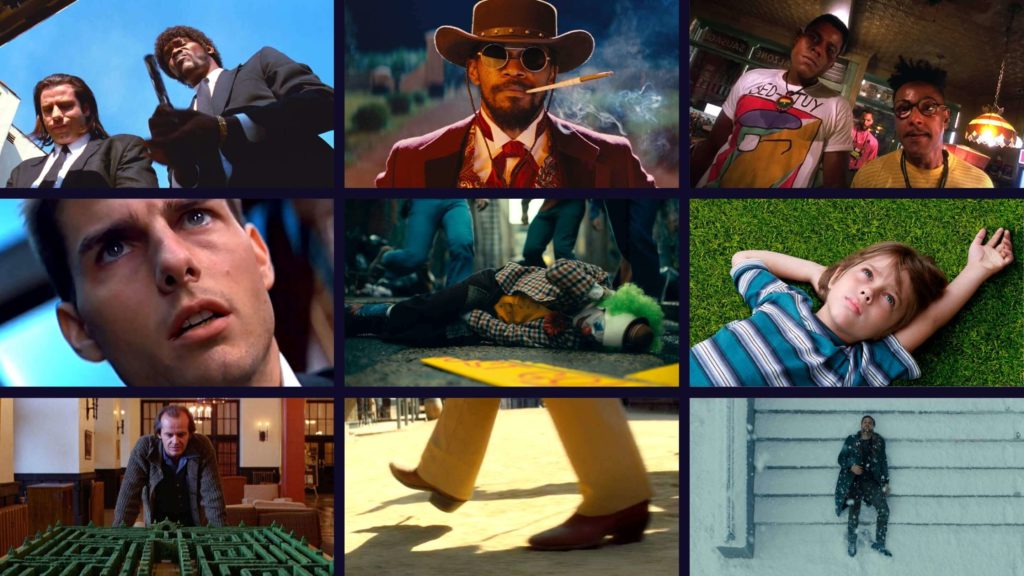
In film, there are a lot of different shots and angles and all of them have different effects on the viewer. By knowing what types of effect each shot has, you can make better choices when it comes to using this skill in your video. Let’s go over a few of the most used shots & angles:
Extreme close-up
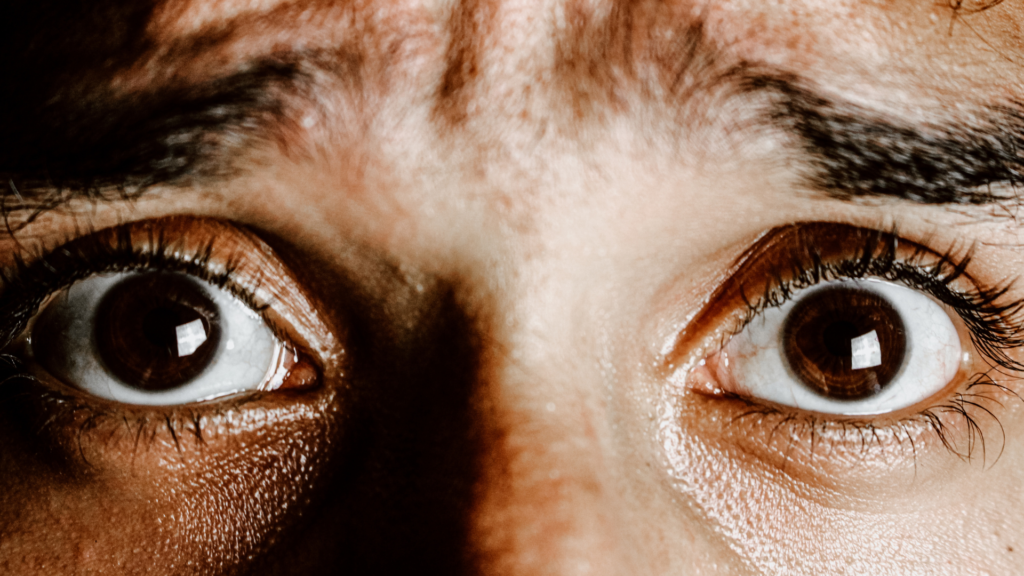
This type of shot is generally for directing attention to a specific object or motion. It is mostly used for:
- Highlighting details
- Showcase minute expressions
- Directing the attention of the viewer.
Typically this is what differentiates an extreme close-up from a standard close-up; all contents fill the entire frame. Whereas a close-up may still show some elements of the background. Alternatively, if the subject is an inanimate object, such as a newspaper, an extreme close-up would likely take us close enough so we could see the texture of the newspaper and ink.
Close-up
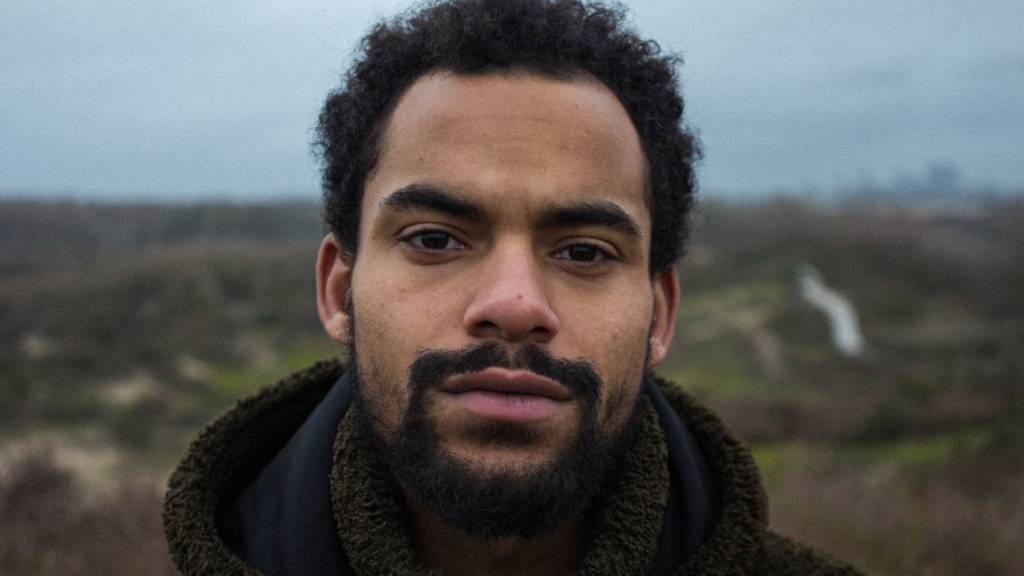
The close-up shot is your go-to move for any emotional, dramatic scene that needs to convey what the characters are thinking to the audience. These shots indicate to the audience that what they are seeing or hearing is important. It is most often used for:
- Emphasis on the subject
- Emotional Reaction
You can see the context of the subject but the emphasis is still focused on the subject. The frame should be tight on the head and face — the top of the head should touch the top of the frame.
Medium shot
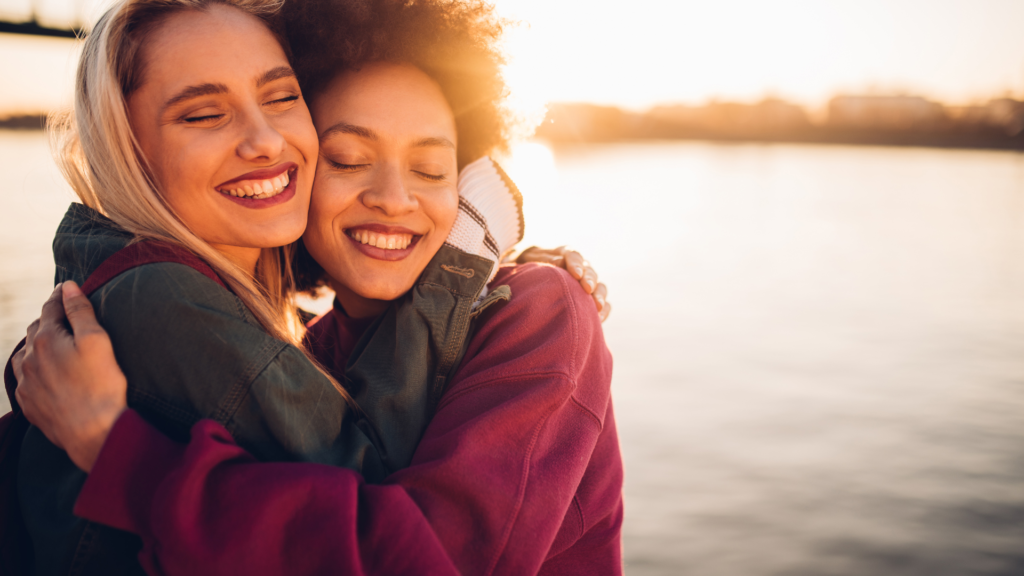
The medium shot is your standard, conversational, waist-up, framed shot. This will be your go-to shot when filming your actors. This shot represents the viewer’s perspective from a conversational distance. If you’re ever going to shoot an interview or dialogue scene, stick with the medium shot. It allows the audience to take part in the conversation, but also retain an interest in the bustling background which is important to the story. Most often used for:
- Conversation
- Setting the tone
Have you seen the movie Inception? Here is an example of how they use this shot in this movie: MediumShotInception!
Wide/Long shot
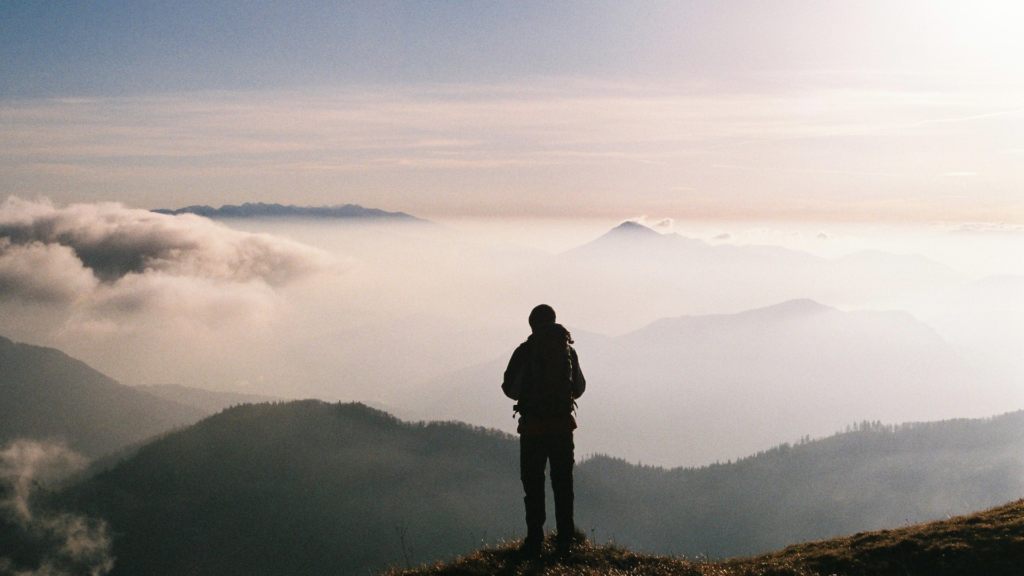
The wide shot, also known as a long shot, is perfect for any action scene. The whole purpose of a wide shot is to capture as much information as possible. You can show off your set — and locations — by using the wide shot to add production value and depth. Used for:
- Establishing the landscape/space between actors
- Displaying action in full
- Providing context
The wide shot is also equally important in setting the geography of the location. This includes where characters are in relation to one another, props, and light sources. Without a wide shot, your audience may sometimes get confused about how far apart characters are supposed to be from each other and their general positioning within the location. You would then utilize the other shots, such as a close-up, to further emphasize smaller details that could be missed.
Extreme wide/long shot
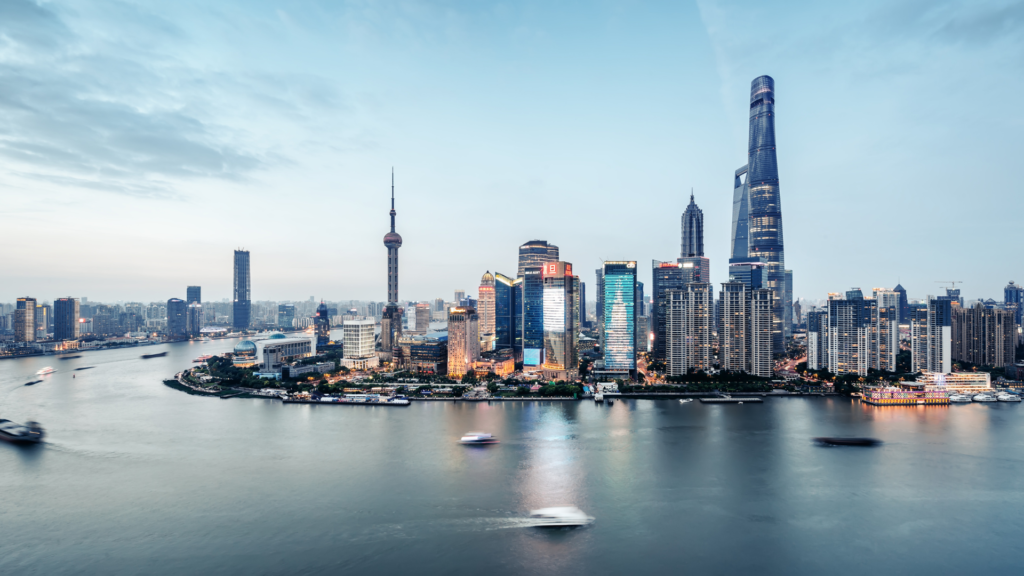
Take the wide shot and amplify it by ten. The extreme wide shot is meant to wow your audience, putting your visuals on an impressive display. Extreme wides can be aerials and tracking shots — just make sure your characters are the smallest part. It’s all about the scale and the scope of what’s happening in the story. Used for:
- Making the location a character
- Signifying the scale of the location