
Learning Design

As you craft your session, always think of the participant experience. Bear in mind matters of accessibility, language, and technical capacities. A high-quality, well-structured session should engage participants from start to finish. Read on for tips and advice on achieving training excellence and producing a session that delivers on your intended outcomes.
- Design with an outcome in mind: In formulating the structure of the session, think about the outcome you want to achieve, and what you need from participants to reach that point. Don’t waste time rehashing old or standard arguments; be novel and be strategic in your session design.
- Check your session format: Do you have enough variety in the sessions of the training? It is advised to have 2 trainers for online training sessions that are over 4 hours seeing as this builds more variety.

- Ensure that diverse perspectives are represented: We evaluate the composition of trainers and we try to support regional, racial and ethnic, and gender diversity in trainings. If there are multiple sessions with numerous trainers, we insist in ensuring diversity.
- Be original: Take the time to create an approach that feels fresh, different, or unexpected. Don’t be afraid to discard your first, second, or third idea, and keep digging.
- Coordinate effectively with the RNTC team, your facilitators and co-trainers: As the training draws closer, be in regular contact with your speakers. If possible, arrange a call to do a dry run of the content and check that you’ve allocated the right amount of time.
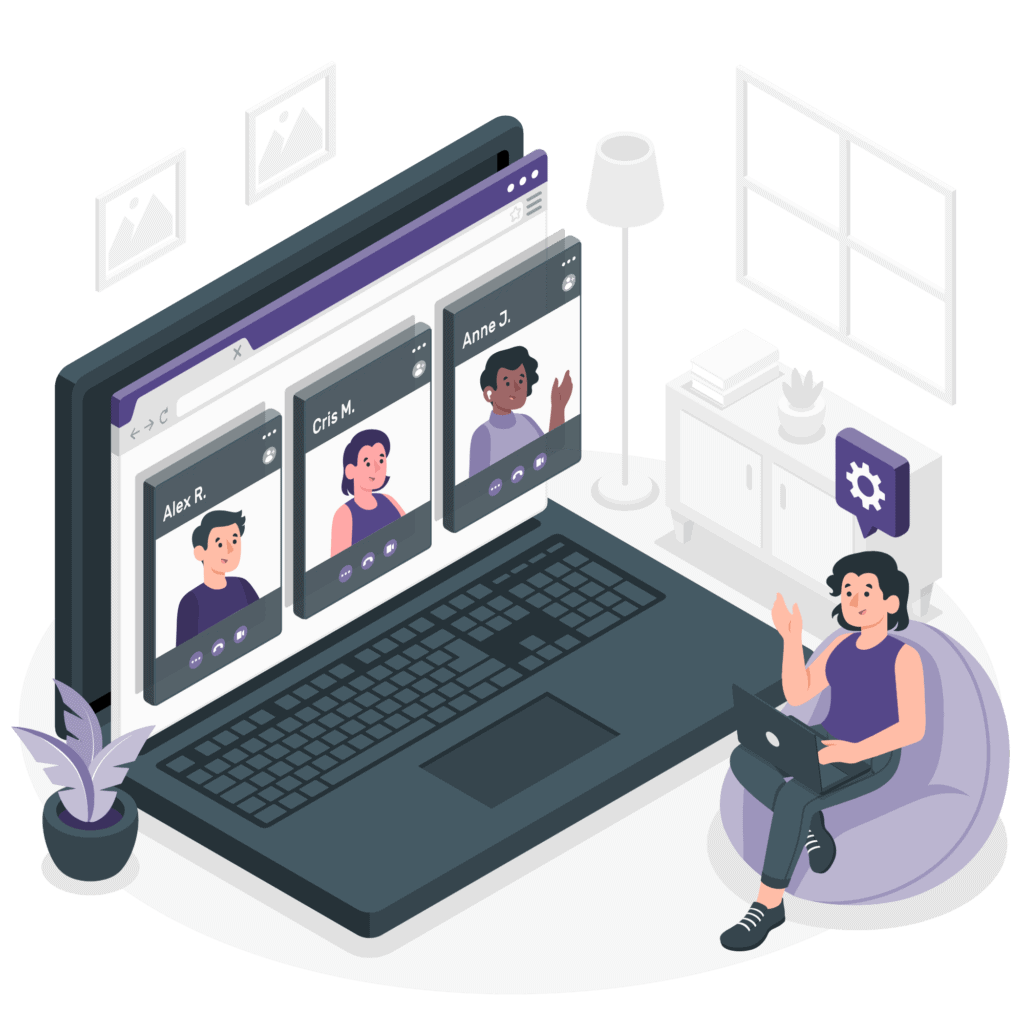
- Know your audience: Don’t forget that the RNTC training participant is a valuable resource with plenty of knowledge and real world experience. Participants are not passive listeners. They are professionals who can contribute at a high level and who have the skillset to elevate your work to the next level.
- Test, prep, and rehearse: An online session contains a number of moving parts and pieces, and the considerations are very different from an in-person event. Dedicate time and energy to understanding the mechanics of guiding an online session, and complete the facilitation training available to you. Prepare far more than you think is necessary. Set aside half an hour a week before your session to run through the structure. Envision any challenges or issues that could arise, and how you will respond. Always have a backup plan, and be ready for things to go wrong. The online tools at your disposal should also be used and prepared ahead of time. If you wait until the session to use and/or set up the tools you might bore, lose the audience or seem incompetent.
- Read this Online Training Guide and request access to tools: You can request access to online tools and an extra facilitation demo from RNTC when conducting a training.
- Be flexible: No matter how prepared you are, some aspects of an online session are outside of your control. If something goes wrong, don’t panic. Take a deep breath, communicate the situation clearly to speakers and participants, and focus on what you can do in the moment.

- Let the conversation flow: A good facilitator knows when to step in, and when to let speakers and participants lead the session and engage with each other. A conversation naturally leaves room for pauses and silences as people process information. Don’t mistake information-processing for confusion.
- Interrupt when needed: If a speaker or participant starts to monologue, the trainer should step in. Be polite but firm and keep the conversation moving. Adequate preparation with your speakers will help prevent a situation where an individual exceeds their allotted time.
- Disagree respectfully and constructively: When people differ in their opinions, it presents an opportunity for the trainer or facilitator to introduce new energy and perspectives into the discussion. Disagreement based on respect allows for people to be vulnerable and fix mistakes – no one is perfect, and all of us bring different perspectives to the table based on our cultures, identities, and experiences. However, the facilitator should be on the lookout for discrimination, violence, or abuse disguised as disagreement, as this behaviour should never be tolerated.
- Don’t rely solely on visual aids: There’s nothing worse than listening to someone read off a PowerPoint or slide show. Visual aids can be used to give structure to a session but ensure they are consistent and the information on the slide is visually engaging.
- Start and end on time: Honour the schedule and respect people’s time. Select a time keeper in the group to prompt you when the session is 5 minutes before its end.
- Be yourself: When you talk in the first person or veer a little off script, people remember and relate to you. Don’t get lost in academia or theory; the mark of a great storyteller is the ability to speak briefly and simply, and explain specific ideas in a universally understood way.
- Don’t read: Please forgo reading from written statements or questions. If you have reading materials to support your session, share them in advance on the shared drive or OLA channels or prepare shareable links for participants to view.
- Speak slowly and clearly: While English is the primary language for many of our trainings, it is not the first language of all participants. Accents are not easily understood by all people who speak the same language either.

- Be passionate: The best talks emerge when a speaker taps into what excites them about their chosen subject and translates that enthusiasm into engagement with the participants.
- Tell a story: Stories are how we connect as humans. Adopting a narrative with a clear beginning, middle, and end will allow your message to resonate emotionally for participants.
- Foster a wide range of voices: Give opportunities for others to speak up, especially those who can provide a different perspective or those who don’t often have the opportunity to do so.