
Amplification
What is amplification?
Before the early 2000’s “social media” meant a group of people watching a movie together or interacting around a video game in the arcade. Today the term includes digital platforms where millions of people share ideas, likes and dislikes, form communities and respond to phenomena around the globe. We have formed a complex digital society that demonstrates the connectedness of the individual to the world they live in and their thoughts of that world through the conversations they have.
RNW Media works primarily in the building and maintaining digital communities for social change. During the millions of interactions of our online communities, data and evidence for advocacy is collected. Sometimes this data has the power to change norms, values, beliefs and even the ways laws and policies are enforced in a country.
Amplification is the process of moving an online discussion (or product of an online discussion) from a digital community into a mainstream online or offline space in the hopes of opening the discussion to bigger groups. At RNW media we use amplification in order to advocate. Amplification is a process of public mobilisation. Public mobilisation is a set of organised activities to create an enabling environment for national and international political and policy change. Public mobilisation seeks to engage public audiences with key issues to inspire widespread support, motivate people to take action, and harness and demonstrate popular support. In doing this we harness public pressure for change. Amplification can also be seen as a mainstreaming process.
To learn about a variety of different amplification tactics, watch the video below:
How the information cycle works
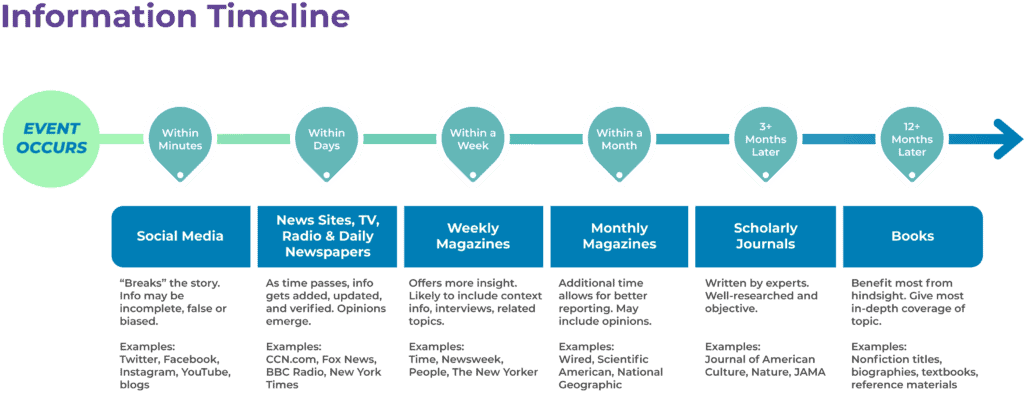
Typically, an event happens, this could be the sharing on social media, for instance, of a report or opinion, etc. Then there is online discussion, usually within minutes. The value of the online discussion is important as the bigger the discussion, the more likes, shares, comments etc., the information gets, in a short amount of time, the more likely the information will be seen.
If there are many responses to a piece of content social media algorithms will identify this information as important and highlight this in their curation of stories in their feeds.
At this point the information shared may or may not be verified and can be incomplete, false or biased. If conversations online have created a buzz around a certain topic or information and algorithms have determined that this is a trending or important topic, it usually will be picked up by the local or international media (depending on the topic and size of the discussion). This then will be amplified through traditional channels, discussions and other means of disseminating information.
Below: An example of amplification in 4 tweets. After these tweets, local and international media were soon to pick up the story to report it. Important to note, that in these tweets its evident that misinformation is spread as facts are not clear. In early reports, even in the mainstream media, it was reported that a fireworks factory had exploded. Some reported that a bomb had gone off linking it to conjecture that the government wanted to deflect attention from the outcome of a high-profile court case.
Below: An example of mobilisation in 3 tweets. After these tweets, local and international media were soon to pick up the story to report it. Important to note, that in these tweets it is evident that misinformation is spread as facts are not clear. In early reports, even in the mainstream media, it was reported that a fireworks factory had exploded. Some reported that a bomb had gone off linking it to conjecture that the government wanted to deflect attention from the outcome of a high profile court case.
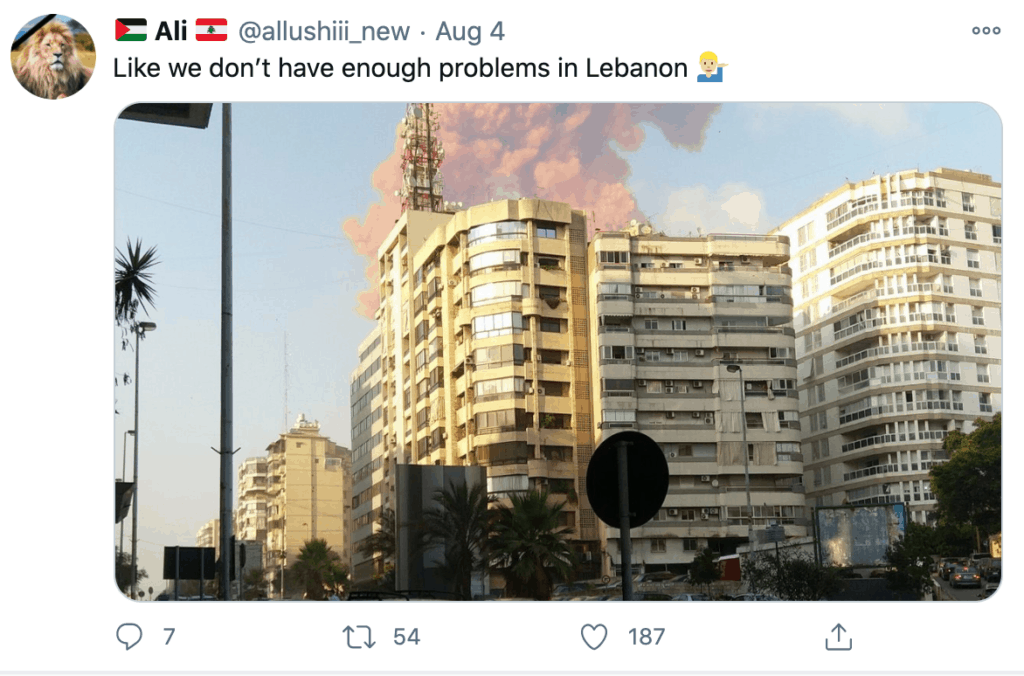

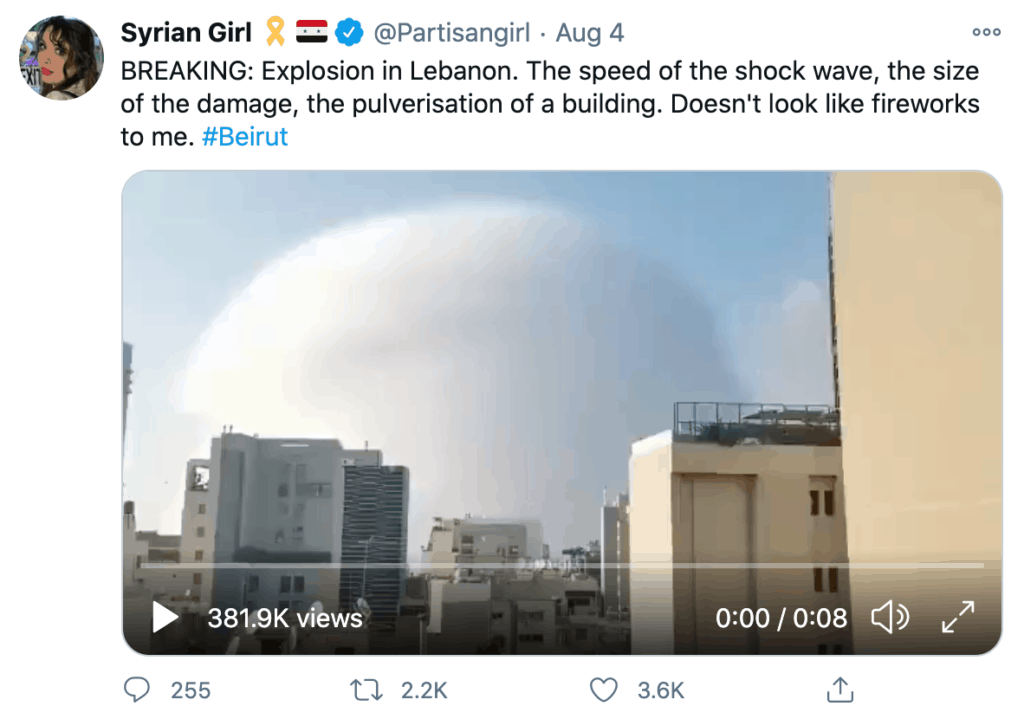
During the days that followed the event, the news media continued to cover the events amplifying the narrative into the mainstream and international audiences.
| Case Study Benbere was launched in Mali in May 2018. The platform aims to reflect the voices of a highly fragmented country. There is a striking lack of knowledge among young Malians about their peers in the different regions of North, South and Centre as well as of the different ethnicities and traditions. Benbere enables young Malians to understand each other better. Benbere produces a lot of testimonials (mainly on video). An example of this was when the Benbere team decided to raise the issue on the silence that surrounds rape and sexual violence in Mali on their Facebook page with the post: Do you think victims are best protected by denouncing the perpetrators or by keeping quiet? The post was read by around 14,300 people and received just over 600 comments – more than any other Benbere post has ever had before. Amidst all those comments, there was one in particular that caught the team’s attention: “I was raped when I was 12, and my family did nothing, except for humiliating me. To them I was the shame of the family… I was only 12. My family never denounced the perpetrator. God is going to make him pay one day, the man that raped me.” After contacting her, the young woman decided to share her story. In the video, the now 26-year old woman describes what she went through and how her family beat her instead of supporting her because they thought she was to blame for what had happened: “My aunt went to get a whip to hit me, instead of taking me to the hospital. When I was 12, no one helped me even though my clothes were torn, and I had blood running down to my feet.” In less than two weeks, the video was seen around 360,000 times, and it received hundreds of comments, most of which were very supportive. Another girl has since turned to Benbere to confide her experience of rape. As part of the 16 Days of Activism against Gender-Based Violence (GBV) campaign, Benbere published a series of articles under the hashtag #MaliSansVBG and organised offline events including performances by artists and actors popular with young Malians. Gender-Based Violence is a serious problem in Mali but remains largely taboo. The Benbere team aimed to raise awareness and start a broader conversation around the issue. Offline activities included a theatre piece highlighting the harmful consequences of GBV. In total around 1,000 people attended the performances and in a survey at the end of each show, 90% of the young people interviewed said they learned a lot about GBV. As a result of the campaign, Benbere was invited to the World Bank office in Mali, for their awareness day against GBV and took part in a panel with the representative of the Ministry of Economy and Finance and the evaluator of the national programme to combat GBV. |